
Creatine HCL vs Monohydrate: Which Is Better for You? And why take True Code Creatine HCl?

Choosing the right creatine supplement can make a significant difference in your fitness journey. Two popular forms dominate the market: Creatine Hydrochloride (HCL) and Creatine Monohydrate. Each has unique qualities that affect how your body absorbs and uses creatine, impacting your performance and recovery. This post explores the differences between Creatine HCL and Monohydrate, helping you decide which fits your goals best. Plus, we’ll explain why True Code Creatine HCl stands out as a smart choice.


What Is Creatine and Why Use It?
Creatine is a natural compound found in muscle cells. It helps produce energy during high-intensity exercise by replenishing ATP (adenosine triphosphate), the primary energy carrier in cells. Supplementing with creatine increases your muscles’ phosphocreatine stores, allowing you to train harder and recover faster.
People take creatine to:
Improve strength and power
Increase muscle size
Enhance endurance during short bursts of intense activity
Support faster recovery between workouts
Creatine is one of the most researched supplements with a strong safety profile when used correctly.
Understanding Creatine Monohydrate
Creatine Monohydrate is the most common and widely studied form of creatine. It consists of a creatine molecule bound to a water molecule. Its popularity comes from its proven effectiveness and affordability.
Benefits of Creatine Monohydrate
Proven effectiveness: Numerous studies confirm it improves strength, muscle mass, and exercise performance.
Cost-effective: It is generally the least expensive form of creatine.
Widely available: Found in most supplement stores and brands.
Drawbacks of Creatine Monohydrate
Water retention: Some users experience bloating or water weight gain because monohydrate can cause muscles to hold water.
Digestive discomfort: Higher doses may cause stomach upset or cramping in sensitive individuals.
Loading phase required: To saturate muscles quickly, a loading phase of 20 grams per day for 5-7 days is often recommended, which some find inconvenient.
What Makes Creatine HCL Different?
Creatine Hydrochloride (HCL) is creatine bound to hydrochloric acid. This form is more soluble in water, which affects how your body absorbs it.
Benefits of Creatine HCL
Better solubility: Dissolves easily in water, reducing the gritty texture common with monohydrate.
Lower dosage needed: Because of improved absorption, smaller doses (1-2 grams per day) can be effective.
Less bloating and water retention: Many users report fewer side effects like stomach discomfort or puffiness.
No loading phase: You can start with a maintenance dose immediately.
Potential Downsides
Higher cost: Creatine HCL tends to be more expensive than monohydrate.
Less research: While promising, it has fewer long-term studies compared to monohydrate.
Comparing Effectiveness: Creatine HCL vs Monohydrate
Both forms increase muscle creatine stores, but their absorption rates and side effects differ.
Absorption: Creatine HCL’s higher solubility means it may absorb faster and more completely.
Dosage: Monohydrate requires higher doses and a loading phase; HCL works well at lower doses.
Side effects: Monohydrate can cause bloating and digestive issues; HCL is gentler on the stomach.
Performance gains: Both improve strength and power, but monohydrate has more extensive research backing its benefits.
For many, the choice comes down to personal tolerance and convenience.
Why Choose True Code Creatine HCl?
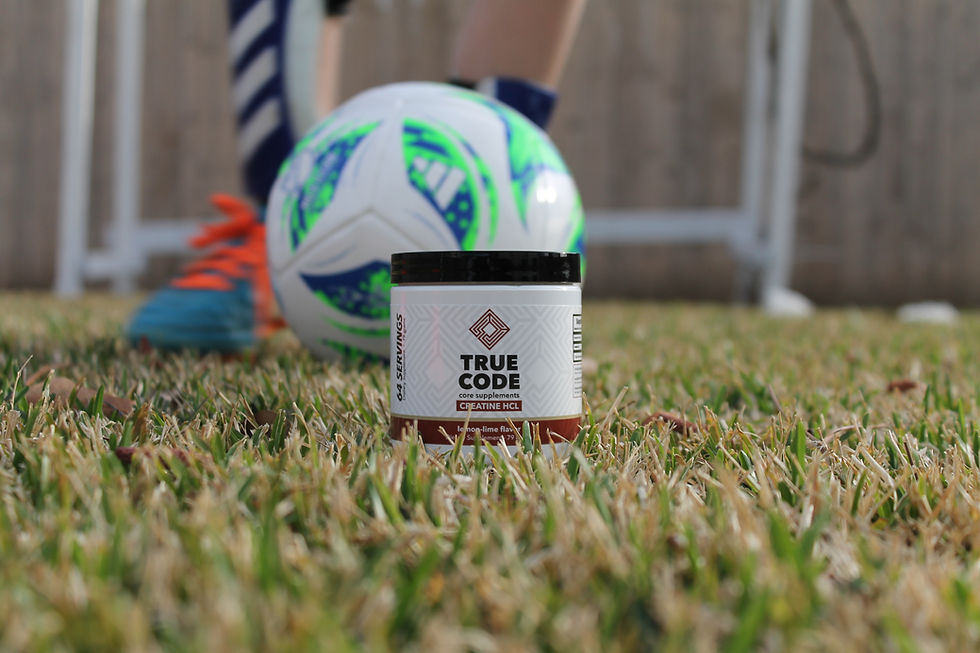
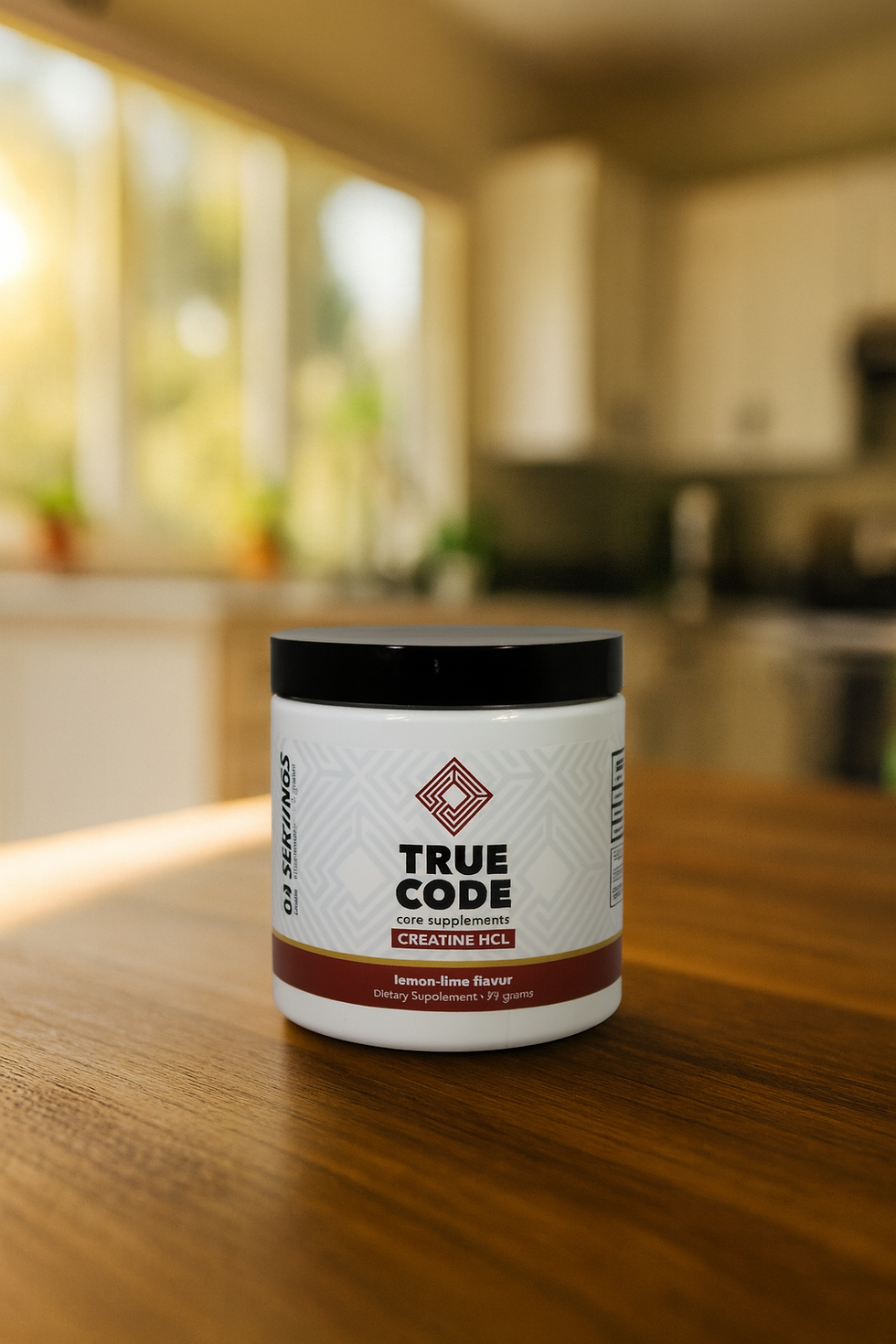
True Code Creatine HCl offers a premium creatine supplement designed to maximize benefits while minimizing common drawbacks.
Key Features of True Code Creatine HCl
High purity: Manufactured with strict quality control to ensure a pure, potent product.
Enhanced absorption: Formulated for quick dissolution and uptake by muscles.
Minimal side effects: Users report less bloating and stomach discomfort compared to monohydrate.
Convenient dosing: Small daily doses without the need for loading phases.
Third-party tested: Verified for quality and safety, giving you confidence in what you take.
Who Should Consider True Code Creatine HCl?
Athletes sensitive to creatine monohydrate side effects
Those who want a convenient, no-loading supplement
Fitness enthusiasts looking for a high-quality creatine product
People who prefer a supplement that mixes easily in water or shakes
How to Use Creatine HCL for Best Results
To get the most from True Code Creatine HCl or any creatine HCL product:
Take 1 to 2 grams daily, mixed with water or your favorite beverage.
Consistency matters: take it every day, even on rest days.
Combine with a balanced diet and regular strength training.
Stay hydrated to support muscle function and recovery.
Unlike monohydrate, you don’t need a loading phase, which simplifies supplementation.
Practical Tips for Choosing Between Creatine HCL and Monohydrate
Consider these factors when deciding which creatine to use:
Budget: Monohydrate is more affordable, ideal if cost is a concern.
Tolerance: If you experience bloating or stomach issues with monohydrate, try HCL.
Convenience: HCL requires smaller doses and no loading, making it easier to use.
Goals: Both support strength and muscle growth, so either can work depending on your preference.
Mixability: HCL dissolves better in liquids, improving taste and texture.
Summary
Both Creatine Monohydrate and Creatine HCL effectively support muscle strength, size, and recovery. Monohydrate offers a budget-friendly, well-researched option but may cause bloating and requires a loading phase. Creatine HCL, especially True Code Creatine HCl, provides better solubility, fewer side effects, and easier dosing, making it a great choice for those seeking convenience and comfort.
If you want a creatine supplement that fits smoothly into your routine and minimizes discomfort, True Code Creatine HCl is worth trying. It combines quality, effectiveness, and user-friendly features to help you reach your fitness goals with confidence.

Comments