
Creatine Monohydrate vs HCL Which Is Better for Elite Athletes and Why True Code Is a Great Choice

Creatine supplements are a staple for athletes aiming to boost strength, power, and muscle mass. Among the many forms available, creatine monohydrate and creatine hydrochloride (HCL) are two popular options. A recent study published in the Journal of the International Society of Sports Nutrition compared these two forms in elite team-sport athletes to determine which is more effective for improving strength and body composition. This blog breaks down the study’s findings, highlights the key differences between creatine monohydrate and HCL, and explains why True Code Creatine HCL stands out as a smart choice for athletes.
What the Study Found About Creatine Monohydrate and Creatine HCL
The study involved elite athletes from team sports who supplemented with either creatine monohydrate or creatine HCL over a training period. Researchers measured changes in strength, muscle mass, and body composition to evaluate effectiveness.
Both forms of creatine led to significant improvements in strength and lean body mass. This confirms that creatine supplementation, regardless of form, supports athletic performance and muscle development.
However, the study found no evidence that creatine HCL is superior to creatine monohydrate in terms of strength gains or body composition changes. Both forms worked well, but neither outperformed the other in measurable results.
The Biggest Difference: Bloating vs Absorption
While effectiveness was similar, the study highlighted a key difference in how the two forms affect the body:
Creatine Monohydrate often causes bloating and water retention. This happens because monohydrate requires a larger dose and tends to pull water into muscle cells, which can lead to discomfort or a “puffy” feeling for some athletes.
Creatine HCL is more soluble and absorbed more efficiently by the body. This means athletes can take smaller doses with less water retention and fewer digestive issues. The study noted that athletes using HCL reported less bloating and stomach discomfort.
This difference matters for elite athletes who want to maximize performance without feeling weighed down or uncomfortable during training and competition.
Why True Code Creatine HCL Is a Great Choice for Athletes
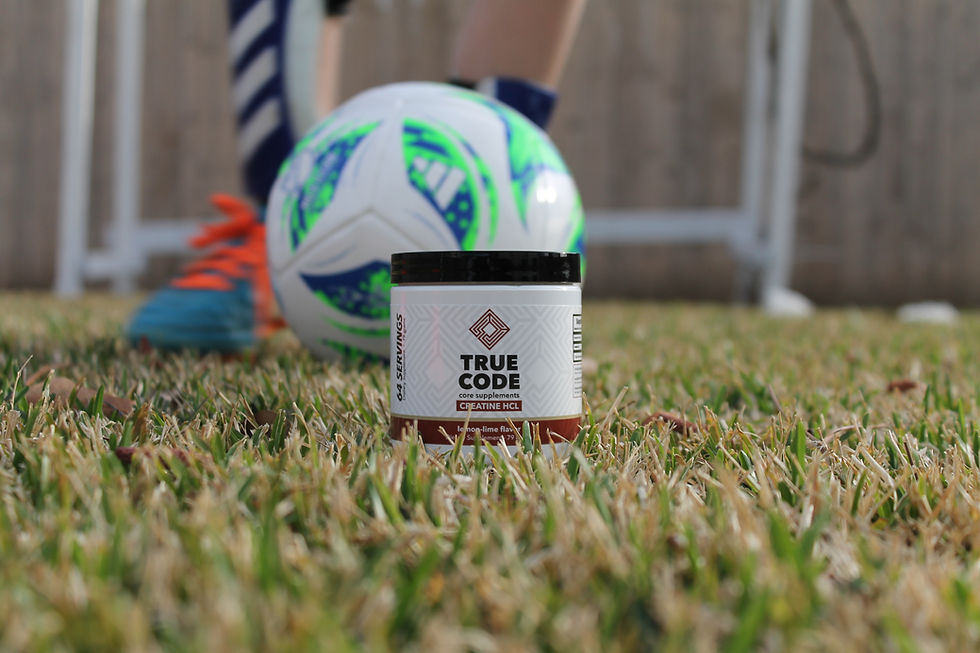
True Code Creatine HCL offers the benefits of creatine hydrochloride with a focus on purity, absorption, and convenience. Here’s why it stands out:
High Solubility: True Code Creatine HCL dissolves quickly in water, making it easy to mix and absorb. This reduces the risk of stomach upset common with other creatine forms.
Smaller Doses Needed: Because of its efficient absorption, athletes can take less creatine HCL to achieve the same benefits as larger doses of monohydrate. This helps avoid bloating and water retention.
Pure Formula: True Code uses high-quality creatine HCL without fillers or additives, ensuring athletes get a clean supplement that supports their training goals.
Ideal for Team-Sport Athletes: The reduced bloating and fast absorption make True Code Creatine HCL a practical choice for athletes who need to stay lean and agile during intense training and competition.
Practical Tips for Using Creatine Supplements
If you’re considering creatine supplementation, here are some tips based on the study and athlete experiences:
Start with a Loading Phase (Optional): Some athletes begin with a higher dose for 5-7 days to saturate muscles quickly, then switch to a maintenance dose. This is common with monohydrate but less necessary with HCL due to better absorption.
Stay Hydrated: Creatine pulls water into muscles, so drink plenty of fluids to support hydration and reduce cramping risk.
Monitor Your Body’s Response: If you experience bloating or stomach discomfort with monohydrate, try switching to HCL to see if symptoms improve.
Consistency Matters: Take creatine daily, even on rest days, to maintain muscle saturation and maximize benefits.
Combine with Training and Nutrition: Creatine works best alongside a solid strength training program and balanced diet.
Summary of Key Points
Both creatine monohydrate and creatine HCL improve strength and body composition in elite athletes.
No clear evidence shows creatine HCL is more effective than monohydrate for performance gains.
Creatine monohydrate often causes bloating and water retention, which can be uncomfortable.
Creatine HCL absorbs more efficiently, reducing bloating and digestive issues.
True Code Creatine HCL offers a pure, highly soluble form of creatine that is easy to use and gentle on the stomach.
Athletes seeking effective creatine supplementation with fewer side effects should consider True Code Creatine HCL.
Choosing the right creatine supplement depends on your individual needs and how your body reacts. Based on current research and athlete feedback, True Code Creatine HCL provides a reliable, well-absorbed option that supports strength gains without the common discomfort linked to monohydrate. For elite athletes aiming to optimize performance and body composition, this makes True Code a smart addition to your supplement routine.


Comments