
Creatine for Immune Support: Can It Help You Stay Resilient?

Staying healthy and resilient against infections is a priority for many, especially in times when immune support matters more than ever. While creatine is widely known for its role in boosting athletic performance and muscle growth, recent interest has emerged around its potential benefits for the immune system. This post explores whether creatine, particularly creatine HCL, can play a role in supporting your immune defenses and help you stay resilient.
What Is Creatine and How Does It Work?
Creatine is a natural compound found in small amounts in certain foods and produced by the body. It helps supply energy to cells, especially muscle cells, by replenishing adenosine triphosphate (ATP), the primary energy carrier. This energy boost is why athletes and fitness enthusiasts often use creatine supplements to improve strength and endurance.
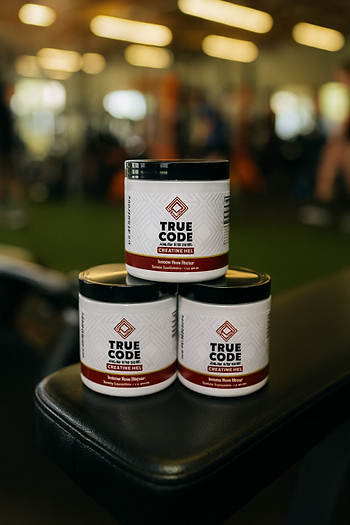
Creatine HCL (hydrochloride) is a form of creatine that dissolves more easily in water and is often preferred for its better absorption and reduced side effects like bloating. While creatine’s role in muscle energy is well established, its impact on immune function is less clear but worth exploring.
How Creatine Might Support the Immune System
The immune system requires energy to function effectively. Immune cells, such as lymphocytes and macrophages, need ATP to multiply, respond to threats, and clear infections. Creatine’s ability to boost cellular energy could theoretically enhance these immune responses.
Some studies suggest creatine may influence immune cells directly:
Improved energy availability: Creatine can increase ATP levels in immune cells, potentially helping them respond faster to pathogens.
Anti-inflammatory effects: Creatine may reduce inflammation by modulating immune signaling pathways, which could help prevent excessive immune reactions.
Enhanced recovery: By supporting muscle and cellular energy, creatine might help the body recover more quickly from illness or physical stress.
While these effects are promising, most research has focused on creatine’s role in muscle and brain health. The evidence for immune support is still emerging and mostly based on animal studies or small human trials.
Creatine HCL Versus Other Forms for Immune Support
Creatine monohydrate is the most common and studied form of creatine. However, creatine HCL has gained popularity due to its higher solubility and better absorption. For immune support, these qualities might make creatine HCL a more efficient choice because:
It requires smaller doses to achieve similar effects.
It causes fewer digestive issues, which can be important when your body is under stress.
It may provide a steadier supply of creatine to cells, including immune cells.
Choosing creatine HCL could be beneficial if you want to explore creatine’s immune support potential without the common side effects associated with other forms.
Practical Tips for Using Creatine for Immune Support
If you are considering creatine for immune support, here are some practical points to keep in mind:
Consult a healthcare provider before starting any supplement, especially if you have underlying health conditions or take medications.
Start with a low dose of creatine HCL, typically around 1-2 grams per day, to assess tolerance.
Stay consistent with supplementation, as creatine builds up in your system over time.
Combine with a healthy lifestyle: Proper nutrition, sleep, and stress management are crucial for immune health.
Monitor your body’s response and adjust dosage if needed.
Creatine should not replace other proven immune support strategies like vaccination, hand hygiene, or medical treatment.
Real-Life Examples and Research Insights
Some athletes and fitness enthusiasts report feeling less fatigued and recovering faster from colds when using creatine supplements. While anecdotal, these experiences align with the idea that creatine supports cellular energy and recovery.
Research published in the Journal of Immunology Research (2020) indicated that creatine supplementation improved immune cell function in animal models. Another small human study found that creatine helped reduce inflammation markers after intense exercise, which can temporarily suppress immunity.
These findings suggest creatine could be a useful addition to your immune support toolkit, especially if you lead an active lifestyle.
Potential Limitations and Considerations
Creatine is not a cure-all. Its immune benefits are still under investigation, and results may vary between individuals. Some points to consider:
The immune system is complex and influenced by many factors beyond creatine.
Overuse or misuse of supplements can cause side effects or interact with medications.
Creatine supplementation is not recommended for people with kidney issues without medical advice.
More large-scale human studies are needed to confirm creatine’s role in immune support.
Summary
Creatine, especially creatine HCL, offers promising potential beyond muscle energy. Its ability to boost cellular ATP and possibly reduce inflammation may help support immune function and resilience. While research is still developing, creatine could be a useful supplement for those looking to strengthen their immune defenses, particularly active adults aged 20 to 40.


Comments